UK Emergency Help for International Students: 999, NHS 111 and University Support
A practical explanation of 999, NHS 111, A&E, GP, university support and how parents can help from overseas.
Short answer
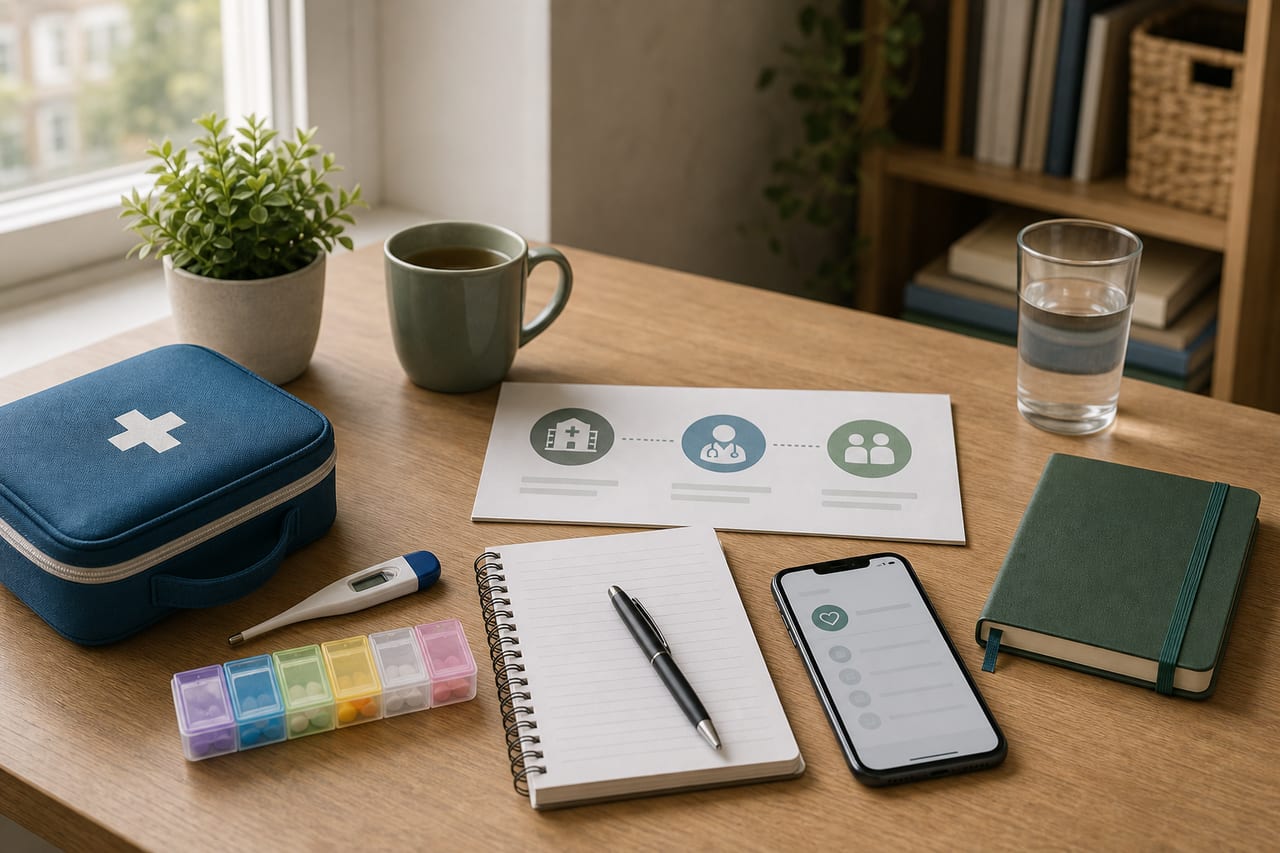
Call 999 for life-threatening emergencies or immediate danger; use NHS 111 when unsure about an urgent medical issue; use GP, pharmacy or university support for many non-emergency needs.
Who this is for
For students and families who want a clear emergency plan before anything happens.
- New international students
- Parents overseas
- Students preparing emergency contacts
What to prepare
- Full UK address and postcode
- NHS 111 route
- GP details
- University security and support contacts
- Family, flatmate or friend contacts
Steps
- Use 999 for life-threatening emergencies, serious injuries or immediate danger.
- Use NHS 111 online or by phone when you are unsure where to get urgent medical help.
- Use GP for routine illness, follow-up and ongoing health needs; pharmacies can help with some minor conditions.
- Contact university support or security for wellbeing concerns, safety incidents, accommodation conflict or a missing-contact concern.
- Parents helping remotely should first confirm location, immediate safety and whether local services have been contacted.
Common pitfalls
- Asking a group chat before contacting emergency services.
- Letting family overseas replace local professional assessment.
- Being unable to give the full address and postcode.
- Using A&E as routine care.
Official links
Check these sources before making decisions, especially for visa, healthcare, border, deposit and safety topics.
Final checklist
- Basic roles of 999, 111, GP and A&E understood
- Address available immediately
- University emergency contact saved
- Flatmate or friend knows emergency contact
- Family understands the local-help-first approach